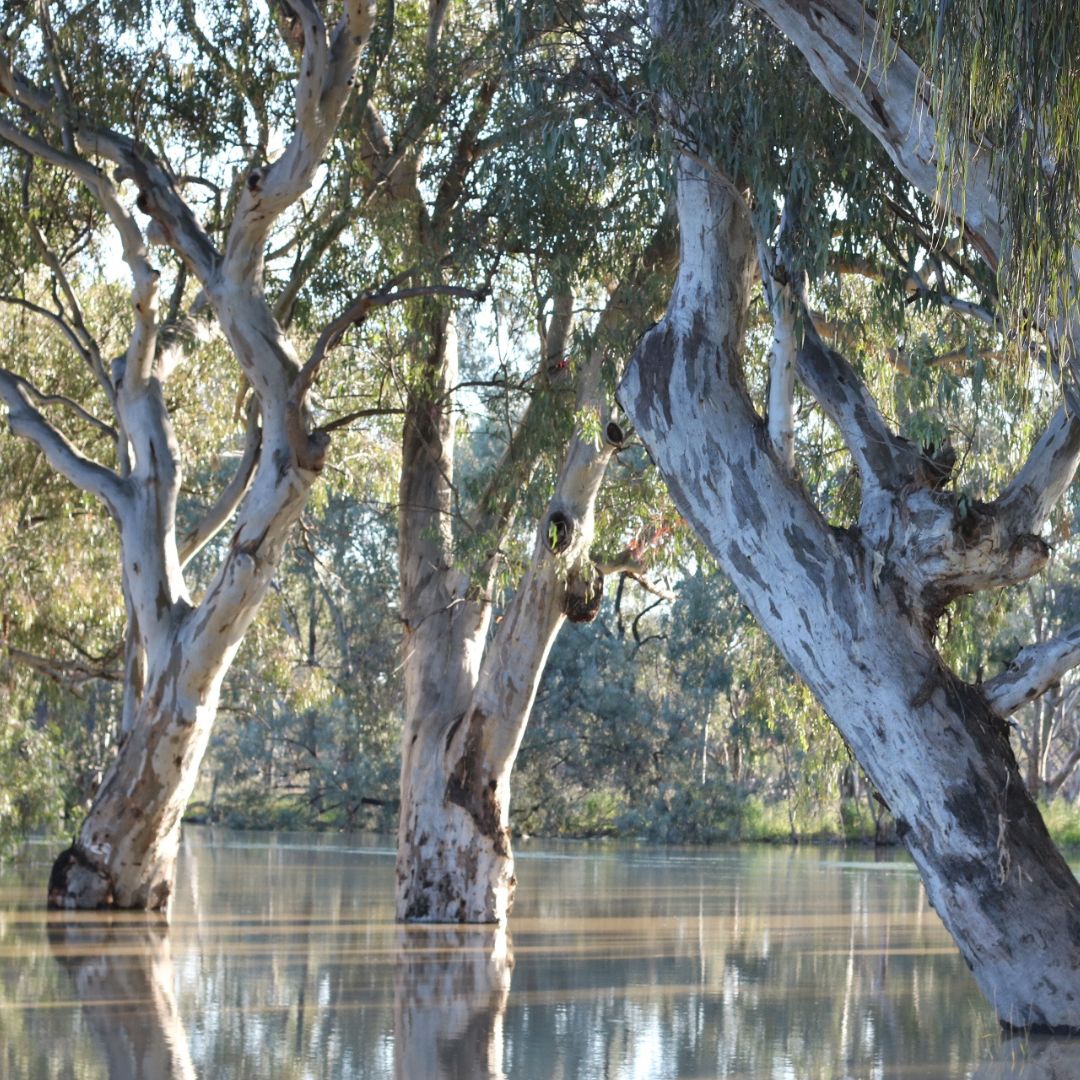
Eucalyptus Camaldulensis — photo 1
Woodlot / Timberلکڑی کا ذخیرہ
Woodlot / Timber seedلکڑی کا ذخیرہ بیج

Australian Lal Safeda

Eucalyptus camaldulensis ssp. obtusa Also known as Eucalyptus camaldulensis subsp. obtusa / River Red Gumآسٹریلین لال صافیدہ
Water needپانی کی ضرورتmedium
Sunدھوپfull
SoilمٹیTolerates saline and waterlogged soils, riverine flats
Growth timeنشوونما کا وقتFast-growing — among the quickest timber yields in the catalog
Planting seasonبونے کا موسمSpring sowing
Purposeمقصدtimber, windbreak, fuelwood
Scarifiedرگڑا ہوا Contact usہم سے رابطہ کریں
Germination Checkedاگاؤ کی جانچ On requestدرخواست پر
Germination Rateاگاؤ کی شرح On requestدرخواست پر
Rs 2,500 / 1.0 g/1.0 گرام Minimum 150 seeds per 1.0g unitکم از کم 150 بیج فی 1.0 گرام یونٹ

Quantity is in units of 1.0 gمقدار 1.0 گرام کے یون1میں ہے

Estimated totalتخمینی کل Rs 2500

Ordering in larger quantity? بڑی مقدار میں آرڈر کرنا ہے؟ Contact us for bulk pricingبلک قیمت کے لیے رابطہ کریں

Species Profileپودے کا پروفائل

Lifecycleلائف سائیکلPerennialبارہماسی
Plant Typeپودے کی قسمTreeدرخت
Nitrogen Fixingنائٹروجن جمع کرنے والاNoنہیں
Drought Toleranceخشک سالی برداشتModerateدرمیانہ
Salinity Toleranceکھارے پن کی برداشتModerateدرمیانہ
Waterlogging Toleranceجل تھل برداشتHighزیادہ
Frost Toleranceٹھنڈ برداشتLowکم
Irrigation Needآبپاشی کی ضرورتModerateدرمیانہ
Goat Fodderبکری کا چارہNoنہیں
Sheep Fodderبھیڑ کا چارہNoنہیں
Cattle / Buffalo Fodderگائے / بھینس کا چارہNoنہیں
Lifespanعمر20–30+ years, coppices for repeat rotations20 سے 30 سال سے زیادہ، دوبارہ کٹائی کے قابل

Rainfall / Water Needبارش / پانی کی ضرورت

Best with 300–800mm/year or reliable canal/riverine irrigation — one of the fastest growers in the catalog when moisture is adequate.

بہترین نتائج 300 سے 800 ملی میٹر بارش یا قابل اعتماد نہری آبپاشی کے ساتھ۔

Water TDS / EC Toleranceپانی کے ٹی ڈی ایس / ای سی کی برداشت

Moderate salinity tolerance; tolerates waterlogging well, making it well suited to canal banks, riverine flats and seasonally flooded land.

کھارے پن کی معتدل برداشت؛ جل تھل کو اچھی طرح برداشت کرتا ہے۔

Regional Suitability Across Pakistanپاکستان بھر میں علاقائی موزونیت

Regionعلاقہ Suitabilityموزونیت
Northern Pakistanشمالی پاکستان Conditionalمشروط
Punjabپنجاب Suitableموزوں
Thalتھل Suitableموزوں
Sindhسندھ Suitableموزوں
Balochistanبلوچستان Suitableموزوں
KP (Khyber Pakhtunkhwa)کے پی (خیبر پختونخوا) Conditionalمشروط
AJK / Gilgit-Baltistanآزاد کشمیر / گلگت بلتستان Not Recommendedتجویز نہیں

Description & usesتفصیل اور استعمال

A hardy river red gum subspecies from the Australian bush, one of the fastest-growing timber trees suited to saline and waterlogged canal-side and riverine land across Pakistan.

آسٹریلوی بش کی ایک مضبوط ریور ریڈ گم ذیلی نسل، تیزی سے بڑھنے والے لکڑی کے درختوں میں سے ایک جو پاکستان بھر کی کھاری اور جل تھل نہری اور دریائی زمین کے لیے موزوں ہے۔

Propagation Methodافزائش کا طریقہ

Propagated from seed, raised in nursery bags before transplanting. Among the easiest eucalypts to raise from seed.

نرسری بیگز میں بیج سے تیار کیا جاتا ہے، پھر منتقل کیا جاتا ہے۔

Planting Densityکاشت کی کثافت

Canal-side / boundary row: 2×2m spacing (approx. 1,000 plants/acre). Block plantation for timber: 2.5×2.5m spacing (approx. 650–700 plants/acre).

نہری قطار: تقریباً 1,000 پودے فی ایکڑ۔

Wood / Fuelwood Yieldلکڑی / ایندھن کی پیداوار

One of the fastest timber yields in the catalog — usable poles from year 4–5; mature stand can yield an estimated 20–25 tonnes/acre of wood at 8–10 year rotation, site-dependent.

کیٹلاگ میں سب سے تیز لکڑی کی پیداوار؛ سال 4 سے 5 میں قابل استعمال کھمبے ملتے ہیں۔

Time to Productionپیداوار کا وقت

Usable poles/fuelwood from year 4–5; full timber rotation at 8–10 years; can be coppiced for repeat harvests from the same root stock.

سال 4 سے 5 میں قابل استعمال کھمبے اور ایندھن کی لکڑی۔

Growing & Care — Stage by Stageکاشت اور دیکھ بھال — مرحلہ وار

From sowing the seed through to when the plant starts producing, here's what to expect at each stage.بیج بونے سے لے کر پیداوار شروع ہونے تک، ہر مرحلے میں کیا توقع رکھیں۔

Seed Sowingبیج بونا

Sow fine seed onto the surface of nursery bags filled with well-drained potting mix, barely covered. Keep moist and shaded initially.

باریک بیج نرسری بیگز میں سطح پر بوئیں، ہلکا ڈھانپیں۔

Germination & Growing Monthsاگاؤ اور نشوونما کے مہینے

Germinates in 6–12 days — among the fastest in the catalog. Nursery period of 3–4 months before reaching transplant size (30–40cm).

6 سے 12 دن میں اگتا ہے، 3 سے 4 ماہ نرسری میں رکھیں۔

Transplantationمنتقلی

Transplant at the start of the monsoon or when regular irrigation is assured, ideally along canal banks or field edges with reliable moisture.

مون سون کے آغاز پر یا جب آبپاشی یقینی ہو تو نہری کناروں پر منتقل کریں۔

Soil & Water Requirementمٹی اور پانی کی ضرورت

Thrives on riverine, canal-side and seasonally waterlogged land; tolerates moderate salinity. Needs consistent moisture through establishment; performs best with access to a shallow water table or regular irrigation.

دریائی اور نہری زمین پر بہترین نشوونما؛ معتدل کھاری پن برداشت کرتا ہے۔

Fertilizer Requirementکھاد کی ضرورت

A starter dose of DAP at transplanting improves early growth; established trees generally need no routine fertilizer if soil moisture is adequate.

بوقت منتقلی ڈی اے پی کی ابتدائی خوراک نشوونما بہتر بناتی ہے۔

Cutting, Grazing & Carry Methodکٹائی، چرائی اور ڈھلائی کا طریقہ

Grown for timber, poles and fuelwood, not grazed. Coppices vigorously after cutting — harvest on an 8–10 year rotation and allow regrowth from the stump for the next cycle.

لکڑی، کھمبوں اور ایندھن کے لیے اگایا جاتا ہے، کٹائی کے بعد دوبارہ اچھی طرح اگتا ہے۔

When It Starts Producing Seedبیج پیدا کرنے کا وقت

Begins producing viable seed capsules from around year 3–4, with reliable seed crops annually thereafter.

سال 3 سے 4 میں قابل استعمال بیج کیپسول بننا شروع ہوتے ہیں۔

Common Questionsعام سوالات

Frequently Asked Questions about Australian Lal SafedaAustralian Lal Safeda کے بارے میں عام سوالات

What is Australian Lal Safeda?

Australian Lal Safeda is Bushwala's market name for Eucalyptus camaldulensis subsp. obtusa, an Australian eucalyptus offered for forestry, fuelwood and dryland/riverine planting.

What is the scientific name of Australian Lal Safeda?

The scientific name of Australian Lal Safeda is Eucalyptus camaldulensis ssp. obtusa.

Is Australian Lal Safeda perennial or annual?

Australian Lal Safeda is a perennial species.

Is Australian Lal Safeda suitable for Pakistan?

Yes — Australian Lal Safeda is suited to Pakistan's drier and, where relevant, saline growing conditions. See the regional suitability table on this page for specifics.

Which areas of Pakistan are suitable for Australian Lal Safeda?

Australian Lal Safeda is rated Suitable for: Punjab, Sindh. Other zones may be Conditional or Not Recommended — see the full regional suitability table on this page.

Can Australian Lal Safeda grow in sandy soil?

Based on its soil profile (Tolerates saline and waterlogged soils, riverine flats), check the soil notes above for sandy-soil suitability.

Can Australian Lal Safeda grow in saline soil?

Salinity tolerance is rated Moderate. It is not a first choice for genuinely saline ground — consider a higher-salinity-tolerance species instead.

What TDS/EC water can Australian Lal Safeda tolerate?

Moderate salinity tolerance; tolerates waterlogging well, making it well suited to canal banks, riverine flats and seasonally flooded land.

How much water does Australian Lal Safeda require?

Best with 300–800mm/year or reliable canal/riverine irrigation — one of the fastest growers in the catalog when moisture is adequate. Irrigation need is rated Moderate.

How many plants should I grow per acre?

Canal-side / boundary row: 2×2m spacing (approx. 1,000 plants/acre). Block plantation for timber: 2.5×2.5m spacing (approx. 650–700 plants/acre).

How much fodder can Australian Lal Safeda produce per acre?

Australian Lal Safeda is grown primarily for timber/fuelwood rather than fodder — see the wood/fuelwood yield section on this page.

What is the crude protein content of Australian Lal Safeda?

Australian Lal Safeda is grown primarily for timber/windbreak use, not fodder, so protein content is not typically relevant.

Is Australian Lal Safeda suitable for goats?

Australian Lal Safeda is not typically used as livestock fodder.

Is Australian Lal Safeda suitable for sheep?

Australian Lal Safeda is not typically used as livestock fodder.

Is Australian Lal Safeda suitable for cattle?

Australian Lal Safeda is not typically used as primary cattle fodder.

Does Australian Lal Safeda fix nitrogen?

No — Australian Lal Safeda does not fix nitrogen.

How do you germinate Australian Lal Safeda seeds?

Sow fine seed onto the surface of nursery bags filled with well-drained potting mix, barely covered. Keep moist and shaded initially.

Does Australian Lal Safeda need seed treatment?

Propagated from seed, raised in nursery bags before transplanting. Among the easiest eucalypts to raise from seed.

How long does Australian Lal Safeda take to establish?

Usable poles/fuelwood from year 4–5; full timber rotation at 8–10 years; can be coppiced for repeat harvests from the same root stock.

How long does Australian Lal Safeda live?

20–30+ years, coppices for repeat rotations

What is the best planting density for Australian Lal Safeda?

Canal-side / boundary row: 2×2m spacing (approx. 1,000 plants/acre). Block plantation for timber: 2.5×2.5m spacing (approx. 650–700 plants/acre).

Can Australian Lal Safeda grow without irrigation?

Not reliably — drought tolerance is rated Moderate.

Is Australian Lal Safeda drought tolerant?

Drought tolerance is rated Moderate.

Is Australian Lal Safeda frost tolerant?

Frost tolerance is rated Low.

What is Australian Lal Safeda mainly used for?

Primarily: Timber, Windbreak, Fuelwood.
🌿