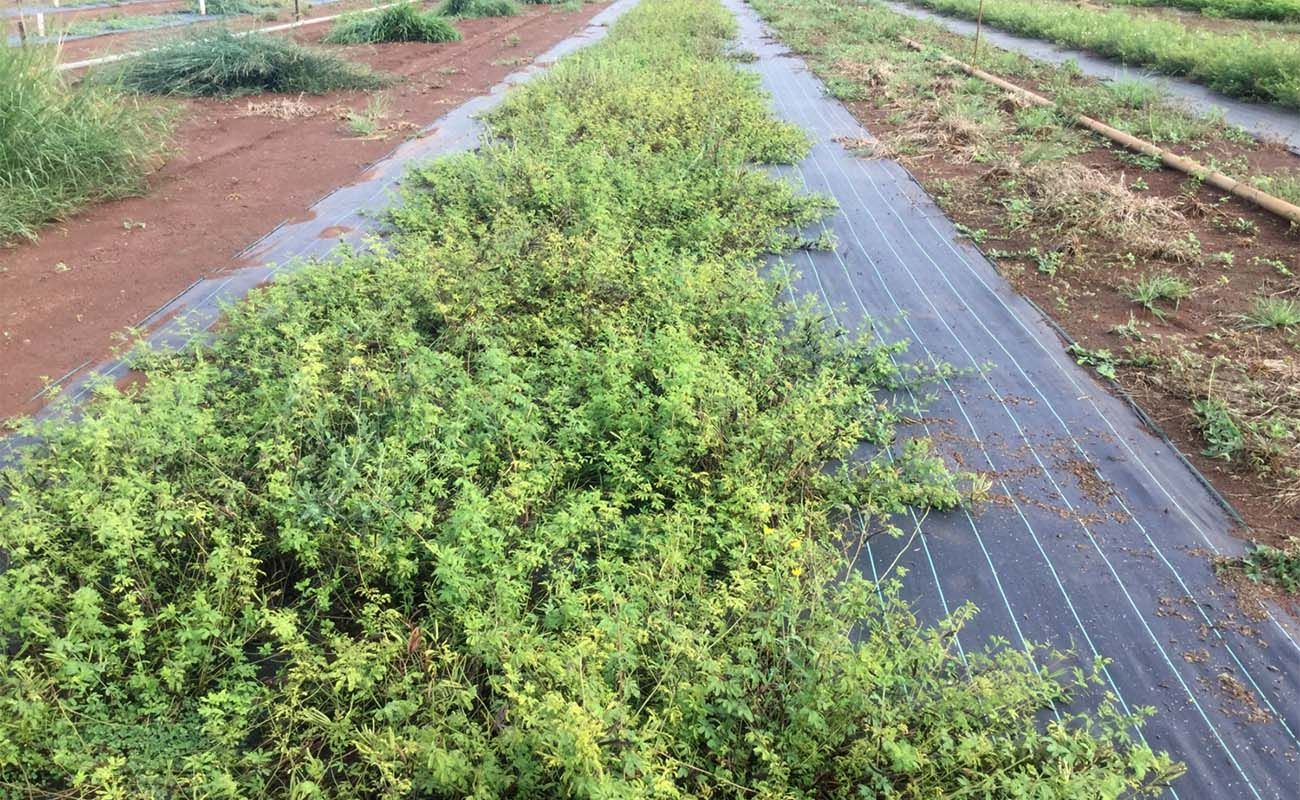
Desmanthus — photo 1
Fodderچارہ
Fodder seedچارہ بیج

Lucerne Hedge

Desmanthus virgatus Also known as Hedge Lucerneڈیسمینتھس
Water needپانی کی ضرورتlow-medium
Sunدھوپfull
SoilمٹیWide-ranging, including saline and low-fertility soils
Growth timeنشوونما کا وقتFast — usable within one growing season
Planting seasonبونے کا موسمSpring or early Summer sowing
Purposeمقصدfodder
Scarifiedرگڑا ہوا Contact usہم سے رابطہ کریں
Germination Checkedاگاؤ کی جانچ On requestدرخواست پر
Germination Rateاگاؤ کی شرح On requestدرخواست پر
Rs 3,000 / 1g/ 1 گرام Minimum 270 seeds per 1g unitکم از کم 270 بیج فی 1 گرام یونٹ

Quantity is in units of 1gمقدار 1 گرام کے یونٹس میں ہے

Estimated totalتخمینی کل Rs 3000

Ordering in larger quantity? بڑی مقدار میں آرڈر کرنا ہے؟ Contact us for bulk pricingبلک قیمت کے لیے رابطہ کریں

Species Profileپودے کا پروفائل

Lifecycleلائف سائیکلPerennialبارہماسی
Plant Typeپودے کی قسمPerennial legume shrub / forageبارہماسی لیگیوم جھاڑی / چارہ
Nitrogen Fixingنائٹروجن جمع کرنے والاYesجی ہاں
Drought Toleranceخشک سالی برداشتHighزیادہ
Salinity Toleranceکھارے پن کی برداشتModerateدرمیانہ
Waterlogging Toleranceجل تھل برداشتLowکم
Frost Toleranceٹھنڈ برداشتLowکم
Irrigation Needآبپاشی کی ضرورتLowکم
Goat Fodderبکری کا چارہYesجی ہاں
Sheep Fodderبھیڑ کا چارہYesجی ہاں
Cattle / Buffalo Fodderگائے / بھینس کا چارہYesجی ہاں
Lifespanعمر5–10 productive years5 سے 10 پیداواری سال

Crude Protein Contentخام پروٹین کی مقدار

Widely cited as a high-protein forage legume, commonly in the 18–24% crude protein (DM) range in published trials — verify against your own feed test before quoting exact numbers.

عام طور پر ایک اعلیٰ پروٹین چارے کی لیگیوم کے طور پر جانی جاتی ہے، تقریباً 18 سے 24 فیصد۔

Rainfall / Water Needبارش / پانی کی ضرورت

Suited to roughly 400–800mm/year; deep-rooted and drought-tolerant once established, but frost-sensitive.

تقریباً 400 سے 800 ملی میٹر سالانہ بارش کے لیے موزوں۔

Water TDS / EC Toleranceپانی کے ٹی ڈی ایس / ای سی کی برداشت

Moderately salt-tolerant — handles some salinity better than most temperate legumes, though very high salinity or brackish irrigation will limit establishment.

کچھ حد تک کھارے پن کی برداشت رکھتا ہے۔

Regional Suitability Across Pakistanپاکستان بھر میں علاقائی موزونیت

Regionعلاقہ Suitabilityموزونیت
Northern Pakistanشمالی پاکستان Not Recommendedتجویز نہیں
Punjabپنجاب Suitableموزوں
Thalتھل Conditionalمشروط
Sindhسندھ Suitableموزوں
Balochistanبلوچستان Suitableموزوں
KP (Khyber Pakhtunkhwa)کے پی (خیبر پختونخوا) Conditionalمشروط
AJK / Gilgit-Baltistanآزاد کشمیر / گلگت بلتستان Not Recommendedتجویز نہیں

Description & usesتفصیل اور استعمال

A perennial legume shrub used as a hedge-row fodder crop across semi-arid grazing land. Lucerne Hedge fixes nitrogen, tolerates salinity, and regrows readily after grazing or cutting, making it a reliable year-round protein source.

ایک بارہماسی لیگیوم جھاڑی جو نیم بنجر چراگاہی زمین میں ہیج قطار کے چارے کے طور پر استعمال ہوتی ہے۔ ڈیسمینتھس نائٹروجن جمع کرتی ہے، کھارا پن برداشت کرتی ہے اور چرائی یا کٹائی کے بعد آسانی سے دوبارہ اگتی ہے۔

Propagation Methodافزائش کا طریقہ

Propagated from seed. Scarify (nick or lightly abrade the seed coat) or hot-water treat before sowing to improve germination rate.

بیج سے تیار کیا جاتا ہے۔ بونے سے پہلے بیج کے چھلکے کو ہلکا سا رگڑیں۔

Planting Densityکاشت کی کثافت

Hedge-row: approx. 8,000–10,000 plants/acre at 0.5m within-row, 1m between rows. Broadcast/pasture mix: 4–6 kg seed/acre.

ہیج قطار: تقریباً 8,000 سے 10,000 پودے فی ایکڑ۔

Livestock Carrying Capacityمویشیوں کی گنجائش

A well-established acre can support roughly 12–18 goats or sheep, or 4–5 buffalo/cattle, as part of a rotational grazing or cut-and-carry system. Figures are general estimates and vary with stand density and management.

اچھی طرح قائم ایکڑ تقریباً 12 سے 18 بکریوں یا بھیڑوں کو سہارا دے سکتا ہے۔ یہ عمومی تخمینہ ہے۔

Time to Productionپیداوار کا وقت

Usable for light grazing/cutting within 6–9 months of sowing; full production from year 2. Persists for 5–10 years under good management.

بونے کے 6 سے 9 ماہ میں ہلکی چرائی کے قابل ہو جاتا ہے۔

Growing & Care — Stage by Stageکاشت اور دیکھ بھال — مرحلہ وار

From sowing the seed through to when the plant starts producing, here's what to expect at each stage.بیج بونے سے لے کر پیداوار شروع ہونے تک، ہر مرحلے میں کیا توقع رکھیں۔

Seed Sowingبیج بونا

Scarify seed, then direct-sow 1–2cm deep into prepared, weed-free beds or hedge rows in Spring or early Summer.

بیج کو رگڑ کر بہار یا موسم گرما کے شروع میں 1 سے 2 سینٹی میٹر گہرائی میں بوئیں۔

Germination & Growing Monthsاگاؤ اور نشوونما کے مہینے

Germinates in 5–10 days in warm soil. Grows quickly — reaches grazing height (60–90cm) within 4–6 months of sowing.

گرم مٹی میں 5 سے 10 دن میں اگتا ہے۔ 4 سے 6 ماہ میں چرائی کے قابل قد تک پہنچتا ہے۔

Transplantationمنتقلی

Normally direct-sown rather than transplanted; if raising in nursery trays for gap-filling, transplant at 4–6 leaf stage.

عام طور پر براہ راست بویا جاتا ہے، منتقلی کی ضرورت نہیں۔

Soil & Water Requirementمٹی اور پانی کی ضرورت

Adapts to a wide range of soils, including saline and low-fertility ground. Needs regular watering during establishment (first 2–3 months); low-medium water needs once rooted.

مختلف اقسام کی زمین کے مطابق ڈھل جاتا ہے، بشمول کھاری زمین۔

Fertilizer Requirementکھاد کی ضرورت

Minimal fertilizer needed — fixes its own nitrogen as a legume. A starter dose of phosphorus (DAP) at sowing improves early root establishment.

کم سے کم کھاد درکار ہے۔ بوقت بوائی فاسفورس کی ابتدائی خوراک مفید ہے۔

Cutting, Grazing & Carry Methodکٹائی، چرائی اور ڈھلائی کا طریقہ

Well suited to rotational grazing directly by sheep and goats, and to cut-and-carry for stall-fed animals. Allow 4–6 week rest periods between grazing rotations for regrowth.

بھیڑ بکریوں کی گردشی چرائی اور کٹائی کر کے کھلانے دونوں کے لیے موزوں ہے۔

When It Starts Producing Seedبیج پیدا کرنے کا وقت

Flowers and sets seed from around 4–5 months after sowing in the first season, with reliable seed set every season thereafter.

بونے کے تقریباً 4 سے 5 ماہ بعد پھول اور بیج بننا شروع ہو جاتا ہے۔

Common Questionsعام سوالات

Frequently Asked Questions about Lucerne Hedge Lucerne Hedge کے بارے میں عام سوالات

What is Lucerne Hedge ?

Lucerne Hedge is a perennial forage legume used in pasture and livestock systems, particularly valued for its protein content in warm climates.

What is the scientific name of Lucerne Hedge ?

The scientific name of Lucerne Hedge is Desmanthus virgatus.

Is Lucerne Hedge perennial or annual?

Lucerne Hedge is a perennial species.

Is Lucerne Hedge suitable for Pakistan?

Yes — Lucerne Hedge is suited to Pakistan's drier and, where relevant, saline growing conditions. See the regional suitability table on this page for specifics.

Which areas of Pakistan are suitable for Lucerne Hedge ?

Lucerne Hedge is rated Suitable for: Punjab, Sindh. Other zones may be Conditional or Not Recommended — see the full regional suitability table on this page.

Can Lucerne Hedge grow in sandy soil?

Based on its soil profile (Wide-ranging, including saline and low-fertility soils), check the soil notes above for sandy-soil suitability.

Can Lucerne Hedge grow in saline soil?

Salinity tolerance is rated Moderate. It is not a first choice for genuinely saline ground — consider a higher-salinity-tolerance species instead.

What TDS/EC water can Lucerne Hedge tolerate?

Moderately salt-tolerant — handles some salinity better than most temperate legumes, though very high salinity or brackish irrigation will limit establishment.

How much water does Lucerne Hedge require?

Suited to roughly 400–800mm/year; deep-rooted and drought-tolerant once established, but frost-sensitive. Irrigation need is rated Low.

How many plants should I grow per acre?

Hedge-row: approx. 8,000–10,000 plants/acre at 0.5m within-row, 1m between rows. Broadcast/pasture mix: 4–6 kg seed/acre.

How much fodder can Lucerne Hedge produce per acre?

A well-established acre can support roughly 12–18 goats or sheep, or 4–5 buffalo/cattle, as part of a rotational grazing or cut-and-carry system. Figures are general estimates and vary with stand density and management.

What is the crude protein content of Lucerne Hedge ?

Widely cited as a high-protein forage legume, commonly in the 18–24% crude protein (DM) range in published trials — verify against your own feed test before quoting exact numbers.

Is Lucerne Hedge suitable for goats?

Yes.

Is Lucerne Hedge suitable for sheep?

Yes.

Is Lucerne Hedge suitable for cattle?

Yes.

Does Lucerne Hedge fix nitrogen?

Yes — it is a nitrogen-fixing species that can improve soil fertility over time.

How do you germinate Lucerne Hedge seeds?

Scarify seed, then direct-sow 1–2cm deep into prepared, weed-free beds or hedge rows in Spring or early Summer.

Does Lucerne Hedge need seed treatment?

Propagated from seed. Scarify (nick or lightly abrade the seed coat) or hot-water treat before sowing to improve germination rate.

How long does Lucerne Hedge take to establish?

Usable for light grazing/cutting within 6–9 months of sowing; full production from year 2. Persists for 5–10 years under good management.

How long does Lucerne Hedge live?

5–10 productive years

What is the best planting density for Lucerne Hedge ?

Hedge-row: approx. 8,000–10,000 plants/acre at 0.5m within-row, 1m between rows. Broadcast/pasture mix: 4–6 kg seed/acre.

Can Lucerne Hedge grow without irrigation?

Yes, once established — drought tolerance is rated High.

Is Lucerne Hedge drought tolerant?

Drought tolerance is rated High.

Is Lucerne Hedge frost tolerant?

Frost tolerance is rated Low.

What is Lucerne Hedge mainly used for?

Primarily: Fodder.
🌿